Electric Bike & Bicycle Repair Hub Master DIY electric and traditional bike repairs with practical tips and trusted product recommendations.
Related Articles


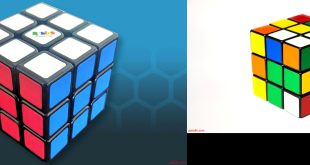
Is the 21×21 Cube the Ultimate Challenge?
When most people think of a Rubik’s Cube, the classic 3×3 comes to mind. But for puzzle enthusiasts seeking the next-level brain workout, nothing compares to the 21×21 Cube. Often dubbed the “ultimate twisty puzzle challenge,” this colossal cube is more than just a toy—it’s a technical marvel, a test of patience, and a showcase of human ingenuity. Let’s break down why the 21×21 Cube might just be the pinnacle of cubing, and explore what it means for both beginners and hardcore puzzlers.
Understanding the 21×21 Cube
The 21×21 Cube is an expansion of the traditional Rubik’s Cube concept. Unlike the 3×3, which has 54 colored squares, the 21×21 boasts an incredible 1,764 individual pieces. Each face contains 441 stickers, and each axis has 21 layers. Handling this cube requires not just dexterity, but strategy, spatial reasoning, and patience.
- Structure: The cube consists of a central core, edge pieces, corner pieces, and internal mechanisms that allow 21 layers of rotation along three axes.
- Weight and Size: Most 21×21 cubes weigh over 3 kilograms and measure around 21 cm per side, making it both physically and mentally demanding.
- Mechanics: Modern 21×21 cubes use high-tolerance plastic and precision engineering to allow layers to turn without binding, even under extreme manipulation.
Why the 21×21 Cube Is a Mental Marathon
Unlike a 3×3 or even a 7×7, the 21×21 is not about speed. It’s about planning and endurance. Here’s why:
- Exponential Complexity: The number of possible configurations is beyond astronomical. The 21×21 has roughly 5.19 × 10^204 possible states—far more than the number of atoms in the observable universe.
- Layer-by-Layer Strategy: Solving it requires an advanced understanding of reduction methods, where sections of the cube are grouped into single “blocks” to simplify the solution.
- Patience and Focus: A single twist can take minutes if not careful, and misaligning pieces can lead to catastrophic mistakes that require hours to fix.
Personal Experience: My Journey With the 21×21 Cube
I remember the first time I held a 21×21 in my hands. It was heavier than expected, almost like holding a small brick. The initial impression was overwhelming. But after familiarizing myself with the layers, I realized that solving it was as much a mental exercise as a physical one. Each session felt like a meditation in strategy, where every move counted. After several weeks and countless hours, I finally solved it. The sense of accomplishment was unlike anything I’ve experienced with smaller cubes—it felt like climbing Mount Everest, one tiny twist at a time.
Techniques and Tips for Tackling a 21×21 Cube
Success with the 21×21 is not just about brute force. It’s about methodical approaches and efficient use of algorithms.
- Reduction Method: Start by solving all the center pieces, then reduce edge pairs into single units, and finally solve it like a 3×3 cube.
- Plan Your Moves: Random twisting is a recipe for disaster. Always visualize sequences in advance.
- Break It Into Sessions: Don’t expect to finish in a single marathon session. Take breaks to maintain mental clarity.
- Use Lubrication: High-quality silicone-based lube keeps the cube smooth and reduces fatigue on your hands.
Common Mistakes Beginners Make
- Attempting speed-solving instead of methodical reduction.
- Neglecting alignment, causing internal locks or pops.
- Underestimating physical strain—21×21 cubes can be heavy and awkward to maneuver.
- Ignoring documentation—reading the manual or watching tutorials can save hours of frustration.
Future Trends and Innovations in Giant Cubes
The 21×21 is just the beginning. Puzzle engineers are constantly innovating:
- Smarter Mechanisms: Anti-pop and tension-adjustable designs allow even larger cubes to turn smoothly.
- Digital Integration: AR apps can overlay solution guides in real-time, helping new solvers learn reduction techniques faster.
- Eco-Friendly Materials: Some manufacturers are experimenting with recycled plastics to make these massive cubes sustainable.
Why It Matters Beyond Cubing
While the 21×21 Cube is primarily a puzzle, it has lessons applicable to everyday life. Problem-solving, patience, planning, and perseverance are skills that carry over into careers, relationships, and even sustainable habits. Speaking of sustainability, it’s interesting to note that giant cubes can be a metaphor for tackling complex challenges—like building sustainable urban transport solutions, including e-bikes and other eco-friendly mobility options. Both require careful planning, maintenance, and long-term thinking.
Frequently Asked Questions
Is the 21×21 Cube solvable without advanced algorithms?
Technically, yes. However, without reduction techniques and algorithms, solving it manually would take weeks or months. Most solvers rely on structured methods.
How long does it take to solve a 21×21 Cube?
Experienced solvers typically spend 20–40 hours in total. Beginners may require hundreds of hours due to the sheer complexity and potential for errors.
Can it be speed-solved?
Not in any conventional sense. Speed-solving is reserved for smaller cubes. The 21×21 is more about endurance and strategy than clocked performance.
How heavy is a 21×21 Cube?
Weight ranges from 3 to 4 kilograms, depending on materials. It requires some hand strength and endurance to manipulate for long sessions.
Where can I buy a 21×21 Cube?
These are specialty items. They’re available from niche cubing suppliers or online marketplaces, often with limited production runs.
Practical Tips for Cubers
- Start with Smaller Cubes: If you’re new to speedcubing, begin with 3×3 or 7×7 before attempting the 21×21.
- Document Your Progress: Keep notes on algorithms and sequences to avoid repeating mistakes.
- Stay Physically Comfortable: Large cubes can strain wrists and fingers. Use ergonomic positions.
- Enjoy the Process: Treat it as a journey. The satisfaction comes from problem-solving, not just the end result.
Final Thoughts
The 21×21 Cube is more than a puzzle—it’s a symbol of perseverance, patience, and innovation. While it may not replace your daily commute or save the planet directly, the skills and mindset developed from tackling such a complex challenge translate into everyday problem-solving, creative thinking, and long-term planning. Whether you’re a beginner dreaming of stepping up to massive cubes, or a veteran cuber seeking the ultimate mental marathon, the 21×21 Cube offers an unmatched experience.
Is it the ultimate challenge? Absolutely. It’s heavy, intricate, and mind-boggling, but for those willing to take the journey, it delivers one of the most rewarding experiences in the world of puzzles.