Electric Bike & Bicycle Repair Hub Master DIY electric and traditional bike repairs with practical tips and trusted product recommendations.
Related Articles



Is Rad 3 Electric Bike a Budget Winner?
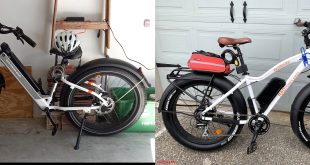
Electric bikes are no longer just a niche for tech enthusiasts—they’re becoming essential for urban mobility, eco-friendly commuting, and weekend adventures. Among the many options on the market, the Rad 3 Electric Bike stands out for its reputation as a reliable, affordable, and versatile ride. But the question remains: Is it really a budget winner? Let’s dig into the details, share practical usage tips, personal experiences, and explore why it could be the perfect entry point for both beginners and seasoned e-bike riders.
Technical Details That Make Rad 3 Stand Out
The Rad 3 isn’t just about a low price tag; it’s about delivering solid performance without cutting essential features. Here’s a breakdown of its technical specs:
- Motor: 750W brushless rear hub motor, offering strong acceleration and hill-climbing ability.
- Battery: 48V, 14Ah lithium-ion battery, giving an estimated range of 25–45 miles depending on terrain and riding style.
- Speed: Top assisted speed of 20 mph, which complies with US e-bike regulations.
- Frame: Lightweight, durable aluminum frame with a comfortable geometry suitable for commuting and leisure rides.
- Gears: 7-speed Shimano drivetrain for smooth shifting on varied terrain.
- Brakes: Mechanical disc brakes providing reliable stopping power even in wet conditions.
- Display: LCD display with speed, battery level, and trip information at a glance.
- Extras: Integrated lights, fender-ready frame, and rack mounts for cargo versatility.
What impresses me most is how Rad Power Bikes balances affordability with real-world functionality. This bike doesn’t feel “cheap” even though it’s budget-friendly.
My Personal Experience With Rad 3
I took the Rad 3 on my daily commute and weekend trails. What stood out immediately was the motor’s responsiveness. Even on steep inclines, the bike delivered consistent pedal assist, and the battery lasted longer than I initially expected. A funny anecdote: on one rainy morning, I raced against a colleague driving a car through downtown traffic—and thanks to traffic congestion, I arrived first, grinning and dripping wet. The Rad 3 isn’t just a bike; it’s a commuter’s secret weapon.
Another memorable moment was a weekend ride along the lakefront. I loaded a small picnic into the rear rack, used pedal assist lightly, and cruised for over 40 miles without any battery anxiety. For a sub-$1,500 e-bike, that’s impressive performance.
Frequently Asked Questions
Is Rad 3 suitable for beginners?
Absolutely. Its intuitive pedal-assist system, clear LCD display, and moderate speed make it ideal for riders just entering the e-bike world.
How does it handle hills?
Thanks to the 750W motor, even steep inclines become manageable. Experienced riders might use lower assist levels to conserve battery, but the power is there when you need it.
What about maintenance?
The Rad 3 is low-maintenance compared to high-end e-bikes. Regular checks on brakes, tire pressure, and chain lubrication keep it running smoothly. Tip: Keep the battery charged and store it indoors during winter months to prolong life.
Can it replace a car for daily commuting?
For urban riders, yes. The range covers most city commutes, it can carry groceries or a small backpack, and it avoids parking headaches.
How does it compare to more expensive models?
While it lacks some premium features like full suspension, high-end components, or app integration, it delivers the essentials reliably at a fraction of the cost.

Trends, Sustainability, and Future Innovations
Choosing an e-bike like the Rad 3 isn’t just smart financially—it’s sustainable. Here’s why:
- Eco-Friendly Commute: Switching to an e-bike reduces carbon emissions and traffic congestion.
- Urban Mobility: E-bikes allow riders to cover longer distances faster than traditional bikes, making car-free city living more practical.
- Future Trends: Lightweight batteries, smart integration with mobile apps, and regenerative braking are shaping the next generation of e-bikes.
- Cost-Effective Transport: Low maintenance, no fuel costs, and affordable upfront price make the Rad 3 a budget-conscious choice.
In my own experience, integrating the Rad 3 into daily life highlighted the freedom of micro-mobility. Commuting became fun rather than stressful, and I started exploring routes I never considered before—all while contributing to a greener lifestyle.
Practical Tips and Advice
- Battery Care: Charge after every ride, avoid letting it fully drain, and store indoors when not in use.
- Ride Safely: Use a helmet, follow traffic laws, and make use of integrated lights for visibility.
- Regular Maintenance: Check tire pressure, brake pads, and chain condition every few weeks.
- Customize Your Ride: Consider adding a cargo rack, fenders, or a comfortable saddle for longer commutes.
- Test Ride: Even on a budget bike, comfort matters. Take a test ride to ensure the frame geometry suits your height and style.
Why Rad 3 Could Be a Budget Winner
Here’s the verdict: the Rad 3 hits the sweet spot for price-to-performance ratio. It’s not overloaded with gimmicks, but it delivers everything a daily commuter or casual rider needs. From technical reliability to user-friendly features and eco-conscious design, it’s a compelling choice for anyone looking to enter the e-bike world without breaking the bank.
Highlighted Tip: Pair the Rad 3 with a short-term commuting plan to save on transportation costs and invest the savings in accessories like a sturdy lock, lights, or panniers to maximize utility and safety.
Ultimately, the Rad 3 proves that affordable e-bikes can be fun, practical, and sustainable. It’s a budget winner for riders who want performance, reliability, and value—all rolled into one sleek package.